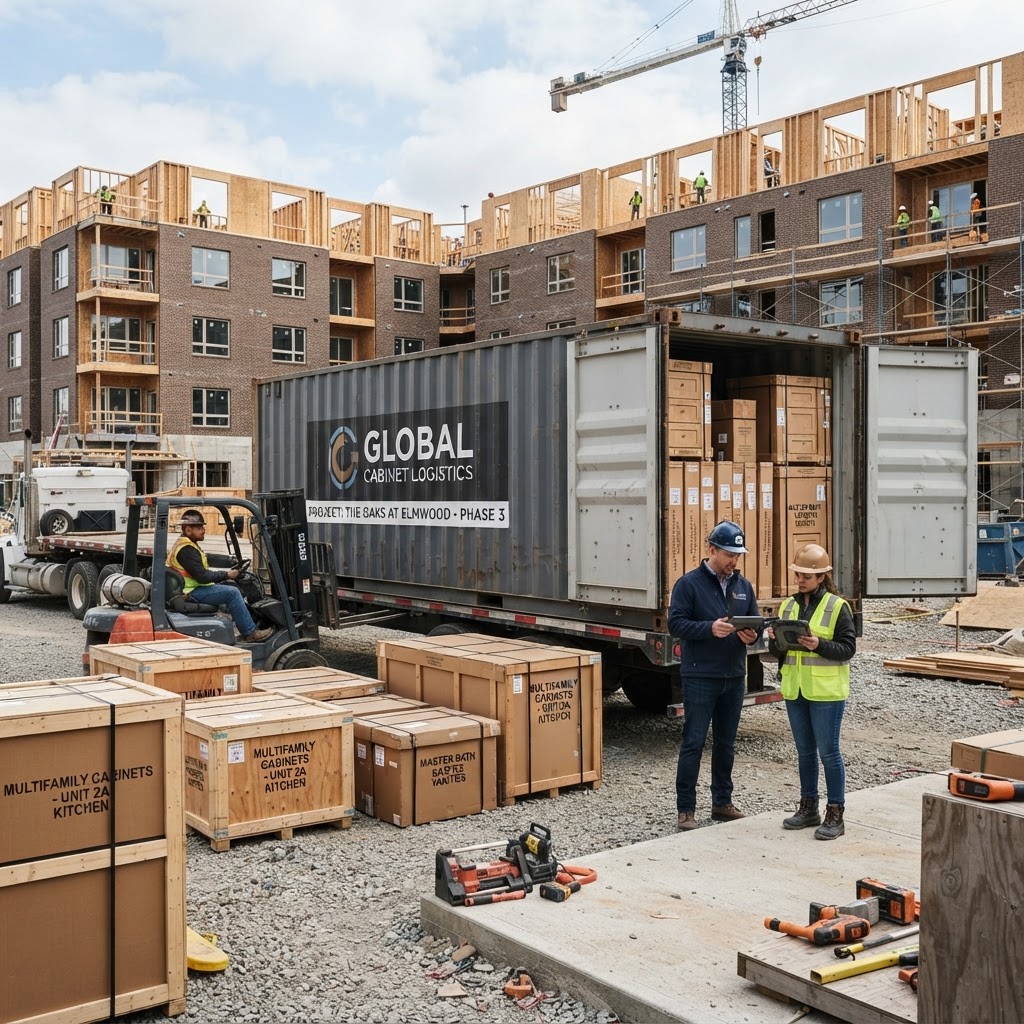
On large-scale multifamily developments and multi-building townhome projects, cabinetry is rarely just a finish specification—it is an intricate logistics operation. Whether you are running a 60-unit garden apartment build in Rochester or a dense infill townhome project in the Twin Cities, managing deliveries across active trades dictates whether your critical path holds or crumbles.
Dropping cabinetry for an entire 40-to-100-unit pipeline onto an active jobsite at once creates immediate chaos: congested staging areas, heightened risk of transit and trade damage, and wasted labor sorting boxes across multiple floors. Implementing a systematic phased cabinet delivery schedule solves these bottlenecks, matching material arrivals directly to installation readiness.
The Realities of Jobsite Staging in Multi-Unit Builds
Every general contractor knows that early material delivery is just as problematic as late material delivery. When dozens of kitchens arrive before drywall or paint inspections clear, project supervisors face major operational headaches:
- Elevated Risk of Jobsite Damage: Cabinets stacked in common hallways or unconditioned units are vulnerable to scissor lifts, drywall carts, and overspray. Even minor edge damage requires punch-out replacements that stall final occupancy certificates.
- Double Handling and Labor Burn: When crews must shuffle 20 pallets of boxes from Building 1 to Building 3 because a framing delay altered the turnover sequence, billable subcontractor hours evaporate.
- Trade Interference: Finish carpenters, MEP trades, and flooring subcontractors end up competing for the same staging footprint, slowing overall throughput.
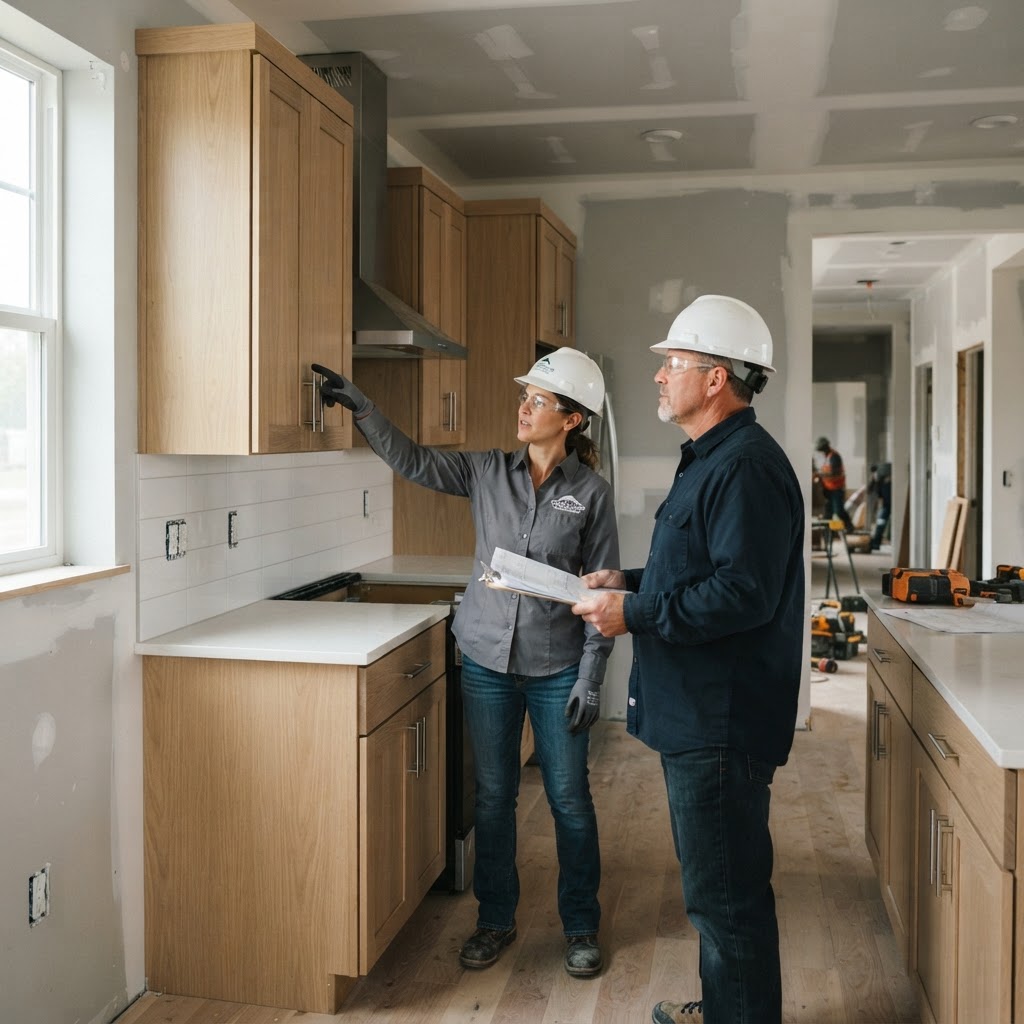
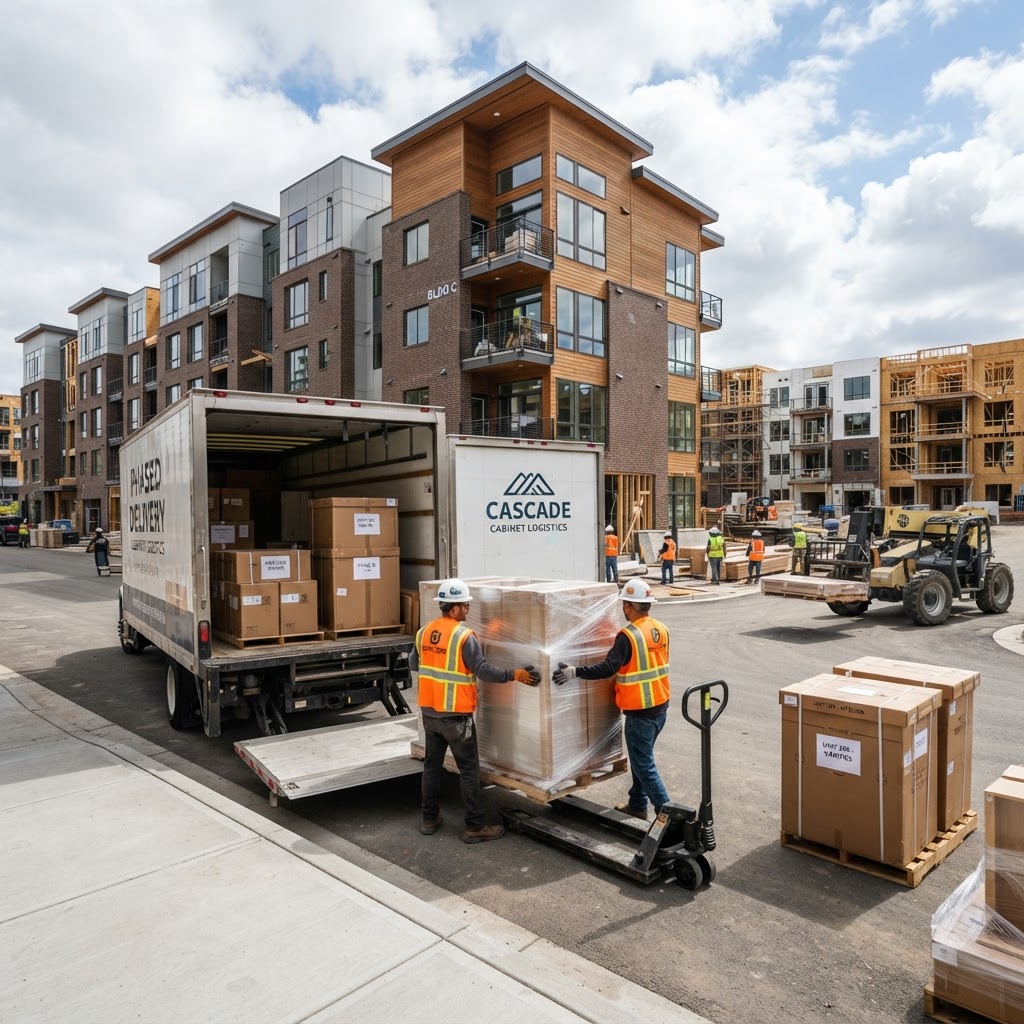
Phased cabinet delivery neutralizes these vulnerabilities. By aligning shipments to specific construction milestones—such as drywall sign-off or subfloor completion—cabinets move directly from the delivery truck to the unit rough openings.
Structuring Phased Delivery by Wing, Floor, or Building Block
Successful phased procurement relies on establishing clear batch parameters before the first box leaves the warehouse. Depending on property layout, multifamily deliveries are typically sequenced in one of three ways:
1. Vertical Phasing (Floor-by-Floor)
Common in mid-rise apartment communities across Minneapolis and surrounding metros, floor-by-floor delivery moves bottom-up or top-down depending on MEP rough-in schedules. As mechanical trades clear a floor and finish crews complete painting, the cabinet package arrives specifically for those units, keeping corridors open.
2. Horizontal Phasing (Building-by-Building or Wing-by-Wing)
For townhome communities and spread-out garden-style developments, cabinetry is scheduled around roofing, exterior envelope closures, and drywall phases. Delivering by distinct building blocks ensures units are secure and conditioned prior to material drop-off.
3. Unit Turns and Capital Improvements
For property managers and general contractors executing phased tenant renovations, delivery frequency must adapt to unpredictable vacancy cycles. Phasing lets you tap into continuous builder-tier volume pricing while receiving only the quantities needed for scheduled unit turns.
Eliminating the 8–12 Week Factory Lead-Time Trap
Traditional cabinet supply chains present a recurring dilemma for multi-unit builders: made-to-order factory orders often require rigid 8-to-12-week lead times. If framing falls behind by three weeks, you either take delivery of product you cannot store or risk losing your manufacturing production slot.
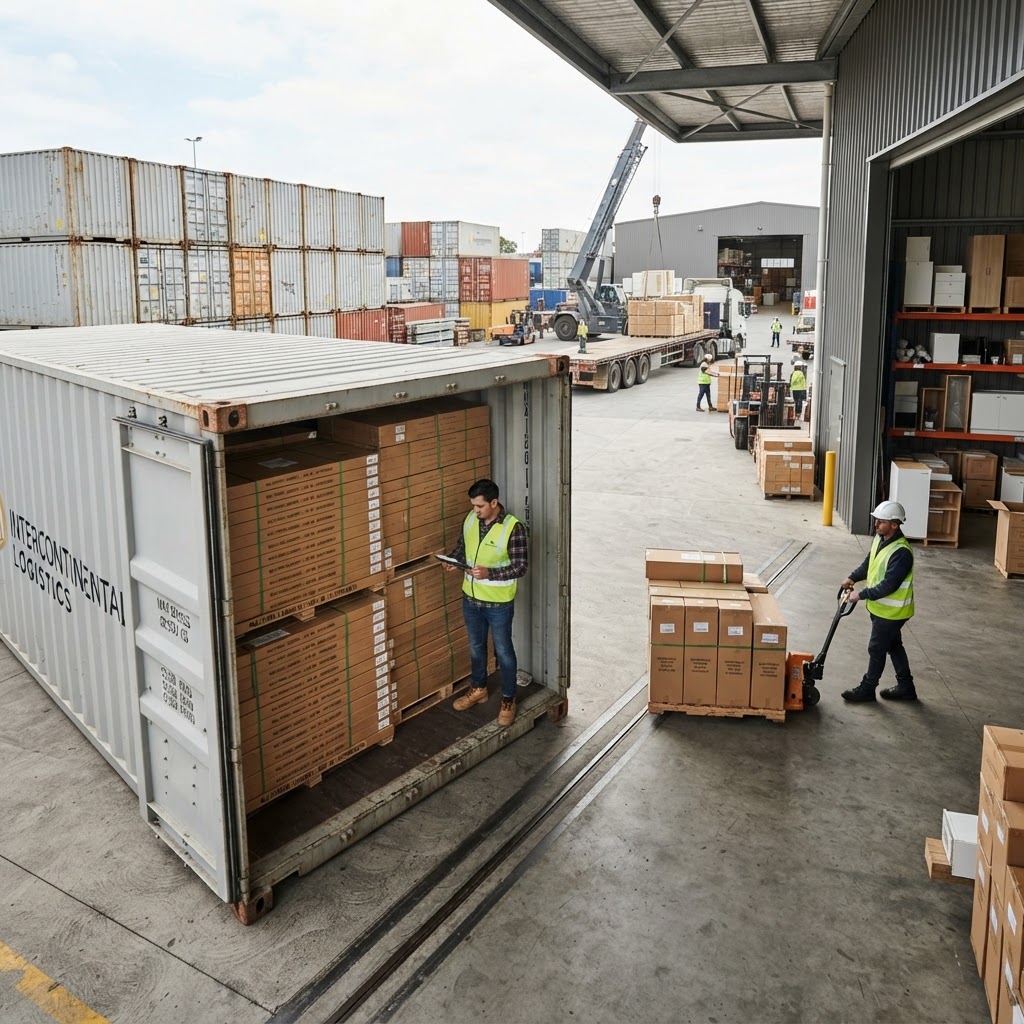
Batch Cabinets operates under a commercial distribution model designed to eliminate this bottleneck. Headquartered at 1116 N Riverfront Dr in Mankato, MN, our expansive regional warehouse maintains deep, in-stock inventory available on demand.
Instead of tying project momentum to overseas shipping lanes or distant domestic factories, general contractors and lumberyards across Minnesota can lock in total project quantities and pull inventory as each phase hits installation readiness. For massive multi-building developments, we offer dedicated container direct programs, ensuring reliable pipeline volume without sacrificing project agility.
The Standard Spec: Durability That Stands Up to Rental Living
Logistics must be backed by durable product construction. In high-turnover rental housing and high-traffic townhomes, material selection directly affects long-term maintenance costs and warranty liabilities.
Batch Cabinets supplies trade-grade cabinetry engineered specifically for demanding residential applications:
- All-Plywood Construction: We do not use particleboard or low-density core panels. Solid plywood boxes resist moisture, support heavy quartz and granite counters, and retain structural integrity under continuous tenant use.
- Dovetail Drawer Boxes: Solid wood drawer boxes with dovetail joinery eliminate the sagging bottoms and loose drawer fronts common in entry-level multi-unit builds.
- Soft-Close Hardware Standard: Integrated soft-close door hinges and full-extension undermount glides protect cabinet faces from repetitive slamming and reduce noise transfer through shared partition walls.
- Standardized Profiles: Our core collections—including modern and transitional Shakers—remain consistent over time. Whether you order Phase 1 today or finish Phase 4 next year, door profiles, bore patterns, and factory-applied finishes match seamlessly.
Streamlining Multi-Unit Logistics with Batch Cabinets
Managing a commercial build requires clear communication, predictable delivery timing, and dedicated contractor pricing tiers that protect project margins. Batch Cabinets partners directly with general contractors, developers, lumberyards, and KB dealers from Mankato to Rochester, the Twin Cities, and statewide.
Our trade fulfillment process supports unit-level clarity, structured shipping schedules, and hands-on regional account support to keep jobsite deliveries predictable and organized from groundbreaking through final punch list.
If you have an upcoming multifamily, build-to-rent, or townhome project in Minnesota, connect with our commercial team to explore volume builder pricing and coordinate a phased delivery schedule that works for your build.